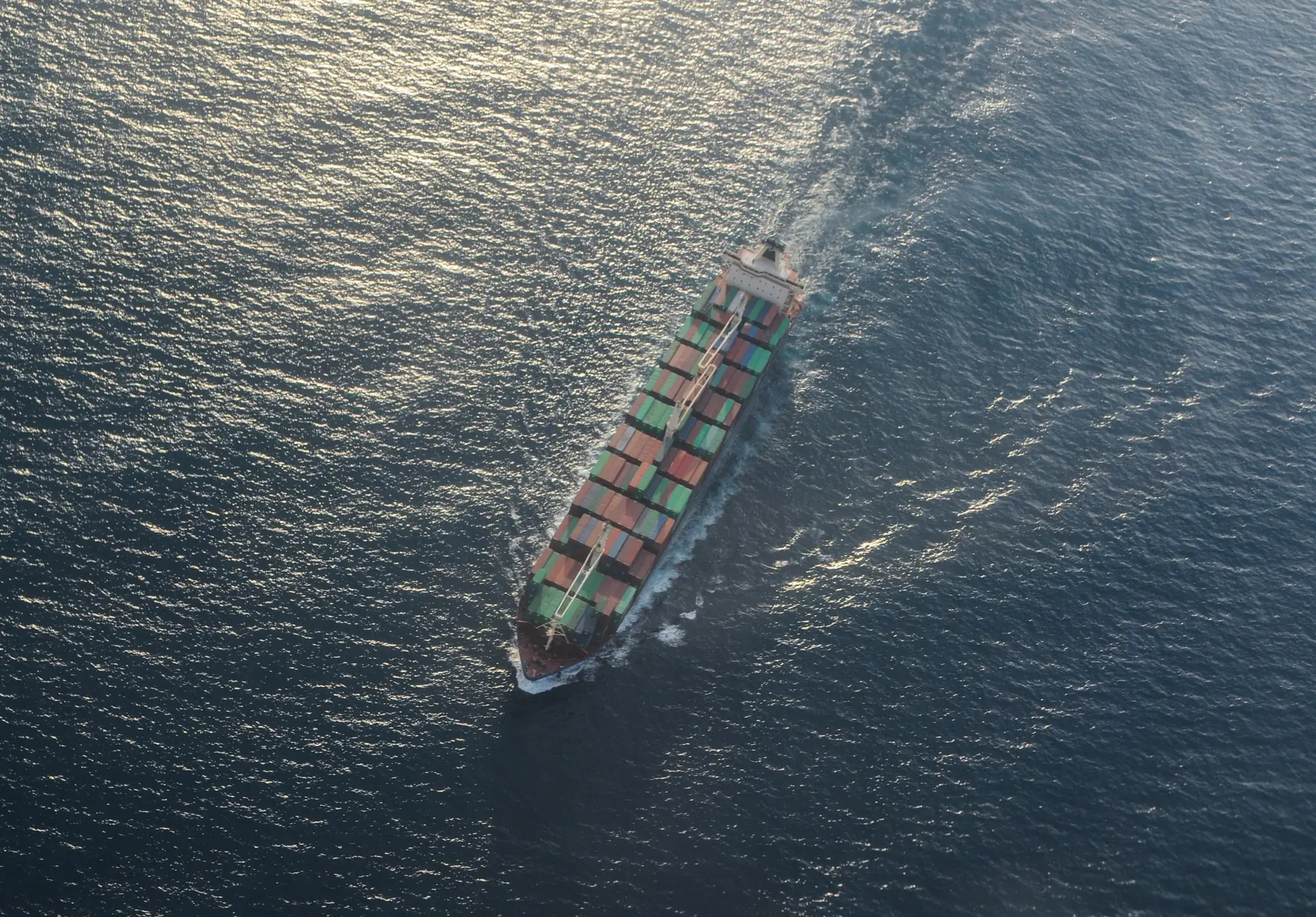
Mode selection is usually made by comparing quotes. Ocean is cheaper than air, so ocean wins, and the decision takes four minutes. It is a defensible way to buy freight and an unreliable way to make the decision, because the freight rate is only one of the costs that changes when the transit time changes.
What varies with mode
| Cost | Behaviour |
|---|---|
| Freight rate | Falls sharply from air to rail to ocean |
| Inventory in transit | Rises with transit days |
| Safety stock at destination | Rises with transit time and its variability |
| Warehousing | Rises with the larger shipment sizes ocean encourages |
| Depreciation and obsolescence | Rises with time for short-life goods |
| Expedite recovery | Rises with the probability of missing a date |
Only the first line appears on a freight quotation. The rest appear elsewhere in the business, which is precisely why they get left out of the comparison.
Inventory in transit is working capital
Goods on a vessel are paid for and unavailable. That capital has a cost: the business's cost of capital at minimum, and its opportunity cost realistically.
In-transit carrying cost = shipment value × annual carrying rate × (transit days ÷ 365)
For a $400,000 shipment at a 20% carrying rate, thirty days in transit costs roughly $6,600 in carried capital. Five days by air costs about $1,100. The difference (some $5,500) is a real saving that offsets part of the air premium and appears in no freight comparison anywhere.
Variability drives safety stock
The second effect is larger than the first and less obvious. Safety stock exists to absorb uncertainty, and the uncertainty it absorbs includes the variability of the replenishment lead time.
A lane where transit ranges from 28 to 45 days requires materially more safety stock than one that reliably runs 30 to 33, not because it is slower on average, but because the spread is wider. That stock is held permanently, financed permanently and warehoused permanently.
Where rail changes the picture
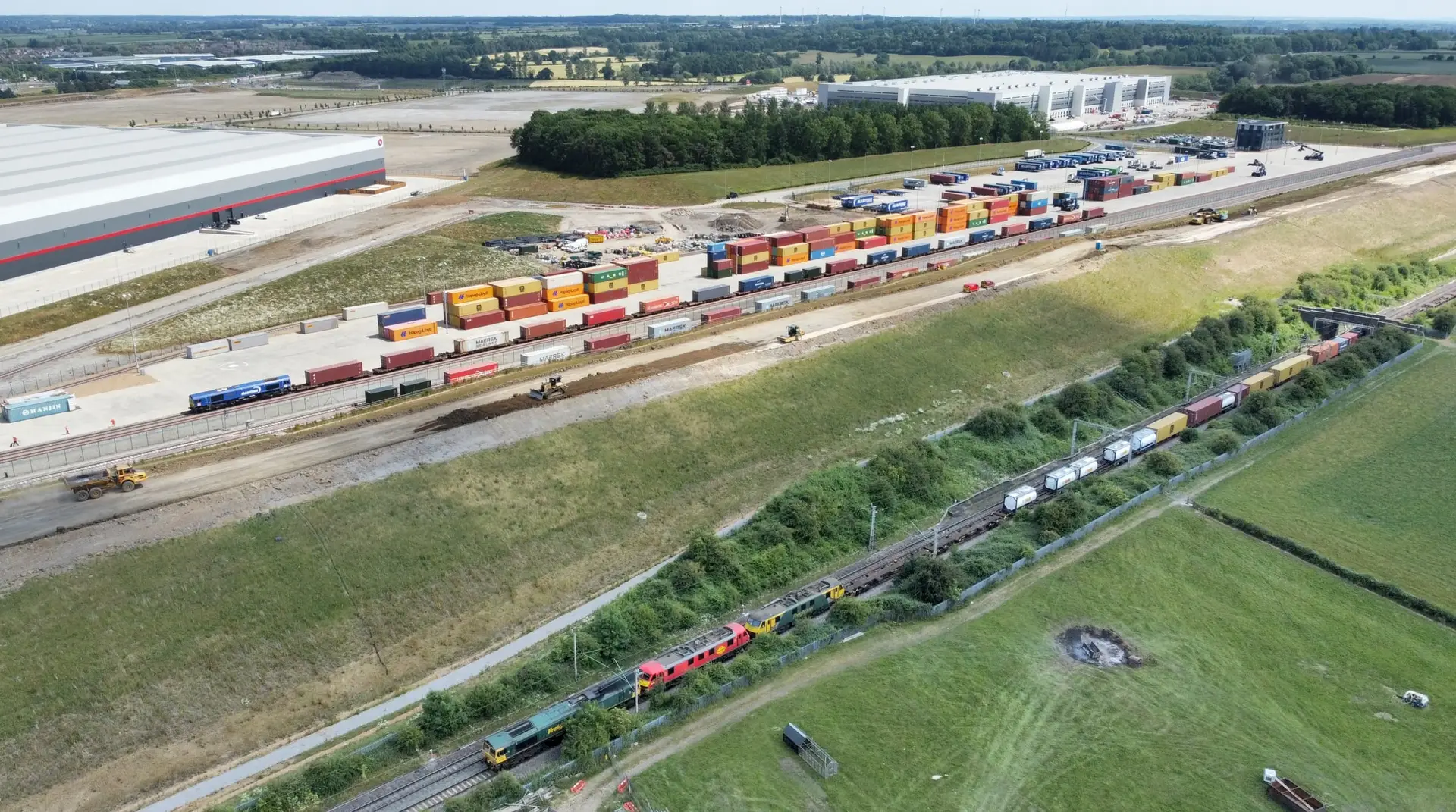
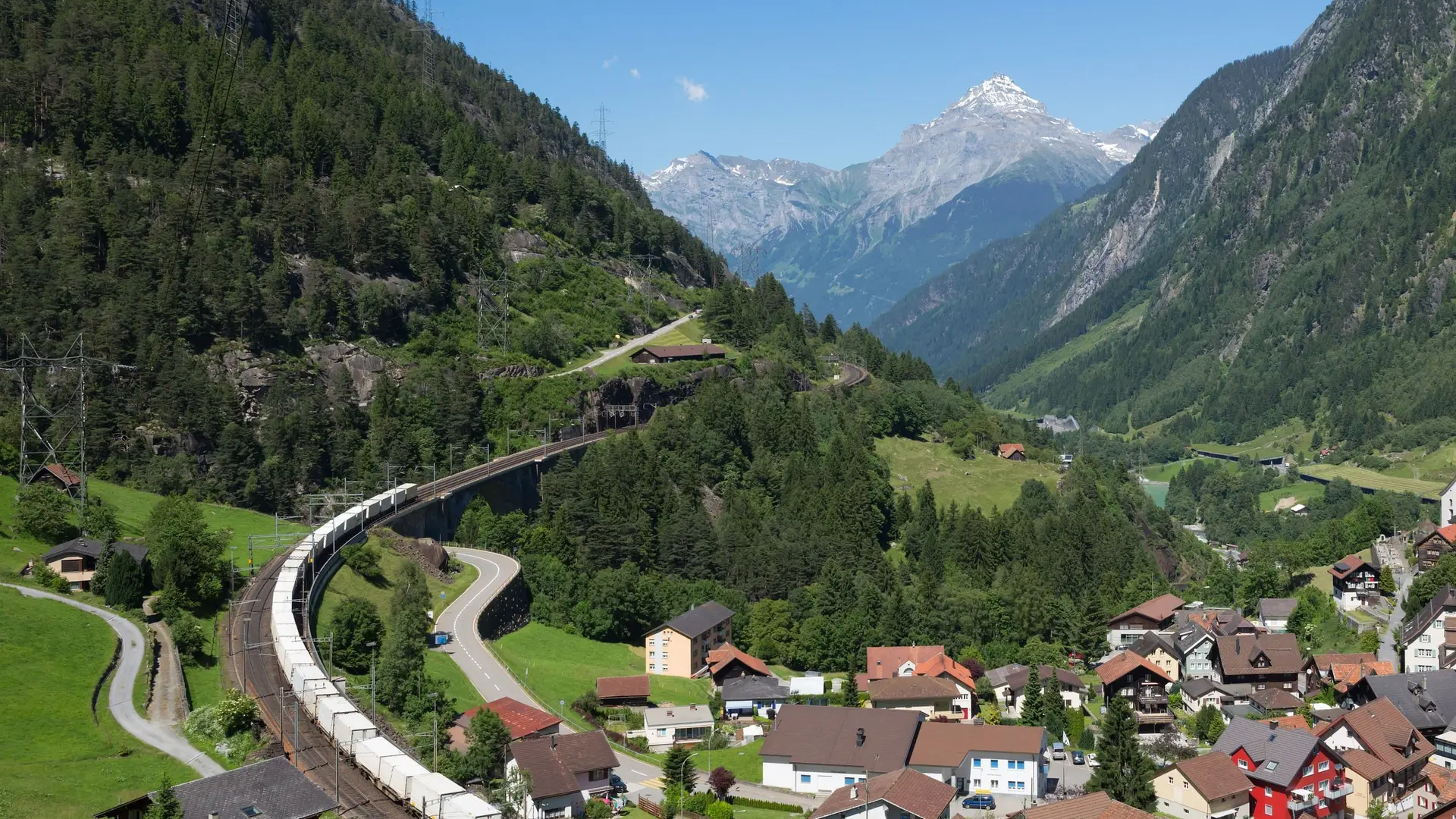
On the corridors where it runs (principally China to Europe, and long-haul domestic North America), rail sits between ocean and air on both cost and time. That intermediate position is exactly where landed-cost analysis tends to land, and it is routinely never quoted because nobody asked.
The caveat is honest: rail transit variability on the Eurasian corridors is meaningfully higher than transatlantic ocean, largely because of congestion at the break-of-gauge crossing. That variability has to go into the safety stock calculation rather than being ignored.
A workable method
- 01Get quotes for every viable mode on the same door-to-door basis, with the same inclusions.
- 02Add in-transit carrying cost using the shipment value and a realistic carrying rate.
- 03Estimate the safety stock each mode requires, and cost it: this is usually the largest single difference.
- 04For short-life goods, add depreciation over the transit period.
- 05Add the expected cost of expedite recovery, weighted by how often each mode misses the date.
- 06Compare the totals, and then check the answer per product line rather than applying it company-wide.
Different answers for different products
The most common outcome of doing this properly is not that one mode wins. It is that the answer splits: high-value, fast-moving, short-life lines justify air, while stable, low-value, long-life lines belong on ocean, inside the same company and on the same lane.
A single mode policy applied across a mixed portfolio is almost always wrong somewhere. It is just wrong in a way that never shows up on a freight invoice.
Published 4 May 2026.